


How Can a City-Category Database Improve Local Marketing Strategies?
Local marketing strategies are crucial for businesses that engage specific audiences within particular geographic areas.
A city-category database offers a solid foundation for effective local marketing, allowing companies to customize their messages, promotions, and services based on regional preferences and demographics.
With access to accurate and organized geographic data, businesses can enhance customer engagement, boost brand visibility, and achieve better marketing results.
Here’s how a city-category database can help improve your local marketing efforts by targeting the correct audience in suitable locations.
Target Specific Audiences More Accurately with a City-Category Database
One of the main benefits of using a city-category database is the ability to reach specific audiences more accurately.
This level of precision helps companies develop localized marketing campaigns that align with the interests and needs of each targeted demographic, maximizing the chances of reaching potential customers.
By leveraging city-category data, businesses can target high-potential regions for specific products or services with custom campaigns.
For instance, a restaurant chain can use city-category data to target customers in high-traffic areas, while a real estate company can reach prospective buyers in cities experiencing growth.
With a city-category database, businesses can align their strategies with location-specific demands, allowing for more relevant and practical marketing efforts.
Customize Local Offers Using Insights from a City-Category Database
By understanding the unique demands of each location, companies can adjust their products, services, or promotions to resonate with customers in specific areas.
For example, an apparel retailer may discover that particular styles or trends are more prevalent in certain cities, allowing them to target these regions with special offers or new arrivals.
This localization of marketing efforts builds a stronger connection with customers, as they receive offers and recommendations that feel relevant to their location and interests.
Customizing local offers boosts engagement and increases the likelihood of conversion, as customers are more inclined to act on promotions that meet their specific needs.
A city-category database allows businesses to tap into the preferences of their target audience and deliver marketing messages that feel personal and tailored.
Optimize Ad Placement Based on Data from a City-Category Database
Effective ad placement is a critical component of successful marketing, and a city-category database can significantly enhance this process.
Businesses can use data from a city-category database to identify the best areas and platforms to reach their target audience.
For example, a company targeting tech-savvy customers may focus on placing digital ads in urban centers. At the same time, a tourism business might prioritize outdoor ads in cities with high tourist activity.
Using a city-category database allows businesses to allocate their ad budgets more effectively by targeting regions where they are most likely to get a strong return on investment.
This data-driven approach helps companies avoid wasting resources on broad, untargeted ads and instead focus on precise locations where ads are most likely to resonate.
With a city-category database, companies can strategically position their ads for maximum visibility and engagement, leading to improved ad performance and higher ROI.
Drive Higher Engagement with Location-Based Marketing from a City-Category Database
Customers respond better to personalized experiences; location-based marketing is a powerful way to connect with them.
A city-category database enables businesses to create location-specific marketing campaigns that feel relevant and tailored, driving higher engagement from local audiences.
For instance, companies can send region-specific promotions or event invitations to customers in specific cities or neighbourhoods, making their marketing messages more relevant.
Location-based marketing can also improve brand loyalty, as customers appreciate receiving content aligned with their surroundings and lifestyle.
Whether through email, social media, or in-app notifications, a city-category database can guide businesses in reaching their audience with meaningful and timely messages.
Higher engagement leads to stronger customer relationships and greater brand loyalty, which ultimately translates into long-term success for businesses.
Stay Ahead in Local Markets with a Data-Driven City-Category Database
In today’s competitive market, data-driven decisions are essential for staying ahead. A city-category database gives businesses a competitive edge by providing insights into local trends, demographics, and customer behaviour.
Companies can identify new opportunities by analysing data on specific cities and categories, responding to emerging trends, and adjusting their strategies to meet changing demands.
For instance, if a city shows an increase in population or new business development, a company can proactively target this area with specialized offers or services.
This data-driven approach helps businesses anticipate market needs and act accordingly, giving them a head start over competitors.
With a city-category database, companies can make informed decisions that enhance their marketing effectiveness and position them as leaders in their industry.
Global Database Market Size Forecast 2021-2030
The global database market is poised for strong growth from 2021 to 2030, driven by the escalating demand for data-driven decision-making, digital transformation, and cloud adoption across industries.
As organizations accumulate vast amounts of data, efficient, scalable, and secure database solutions have become critical.
Advances in cloud-based databases, artificial intelligence, and machine learning enable businesses to manage and 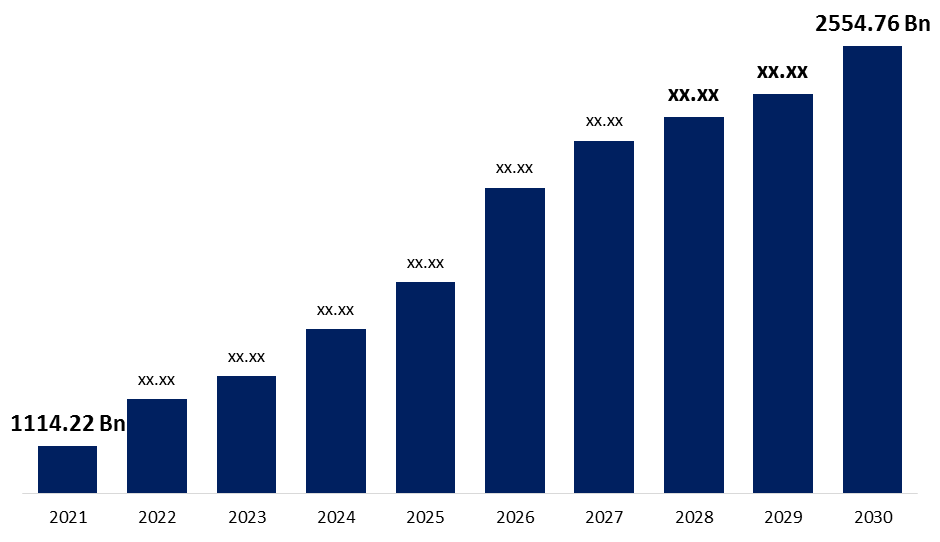 analyse data more effectively, fuelling database market expansion.
Additionally, industries like e-commerce, finance, healthcare, and telecommunications leverage databases to enhance customer experience, optimize operations, and drive innovation.
The shift towards NoSQL databases reflects the need for more flexible, high-performance solutions to handle unstructured and real-time data.
With increasing emphasis on data privacy, security, and regulatory compliance, the database market is expected to grow as businesses prioritize sophisticated data management solutions to stay competitive in the digital era.
Conclusion: Maximize Your Local Marketing Impact with a City-Category Database
Using a city-category database empowers businesses to refine their local marketing strategies, ensuring that every campaign resonates with the right audience.
By leveraging precise data, companies can create relevant, impactful marketing efforts that engage customers, increase conversions, and build brand loyalty within specific regions.
Investing in a city-category database enables a data-driven approach to local marketing that can elevate your campaigns and give you a competitive advantage.
Embrace the power of targeted local data to make your marketing strategies more efficient and successful.